Anger Management
What Happens in the Nervous System When We’re Angry?
Rush & Associates Team · April 11, 2025 · 2 min read
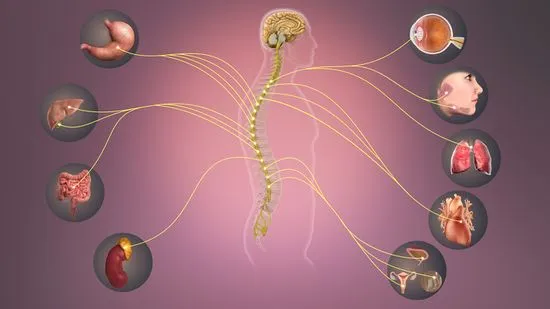
When we perceive a threat — whether emotional or physical — our sympathetic nervous system kicks in. This is commonly known as the “fight or flight” response.
The body releases stress hormones like adrenaline and cortisol, preparing us to take action:
- Heart rate increases
- Breathing becomes shallow and rapid
- Muscles tense
- Vision may narrow
- Blood pressure rises
This response is helpful in short bursts, but when we stay in this activated state — or cycle through it repeatedly — it can take a toll on both our physical and emotional health.
Long-Term Effects of Chronic Anger Activation
Unchecked anger can lead to:
- Trouble sleeping
- Chronic muscle tension
- Headaches
- Digestive issues
- Increased risk of heart disease
- Heightened anxiety and emotional reactivity
Our bodies weren’t meant to stay in a state of constant fight or flight. Over time, it drains our energy and makes it harder to stay grounded and connected in relationships.
How Anger Management Helps the Nervous System
Learning to manage anger isn’t about “shutting it down” — it’s about regulating the nervous system so the anger doesn’t take over.
Some helpful strategies include:
- Deep Breathing: Signals the brain that you’re safe, calming the sympathetic response.
- Grounding Techniques: Using the senses to reorient to the present (e.g. 5-4-3-2-1 method).
- Physical Movement: Walking, stretching, or shaking off tension.
- Progressive Muscle Relaxation: Actively tensing and releasing muscle groups.
- Mindfulness or Meditation: Strengthens the ability to observe emotions without acting on them.
- Therapy and Emotional Processing: Creates space to understand the deeper causes of anger.
The more you practice regulating your nervous system, the easier it becomes to respond — rather than react — to stress and conflict.
Final Thought
Anger is a body-based experience as much as an emotional one. With awareness and practice, you can learn to calm the storm inside — helping your nervous system return to safety, and your relationships return to connection.
If you’re interested in going deeper, we’re currently offering a group therapy anger management workshop — feel free to reach out for more details!
Last updated April 18, 2025
If this resonated, you don't have to work through it alone.
Book a free, no-pressure 30-minute consultation with one of our Registered Psychotherapists.
Book a free consultationThis article is for general information only and is not a substitute for professional advice, diagnosis or treatment. If you are in crisis, call or text 9-8-8 or call 911.